The Rising Demand for Site Specific Art Installations
In an era where experiences often matter as much as products and services, site specific art installations have emerged as a powerful way to transform environments and create meaningful connections. Unlike traditional artwork that can be displayed in virtually any setting, site-specific installations are intentionally designed for a particular location. Every detail, from scale and materials to concept and placement, is developed with the surrounding environment in mind.
Businesses, developers, cultural institutions, and community organizations increasingly recognize the value of creating spaces that inspire engagement. Visitors no longer seek visually appealing locations alone. They want memorable experiences, authentic stories, and meaningful interactions. Embrace Creatives highlights the growing importance of art-driven environments that encourage connection, creativity, and community engagement through thoughtfully designed installations.
From public parks and commercial buildings to galleries, campuses, and mixed-use developments, these installations are reshaping how people experience physical environments. Their ability to reflect local identity, celebrate culture, and enhance architectural design makes them a valuable investment for organizations seeking long-term impact.
Understanding What Makes Site Specific Art Installations Unique
The defining characteristic of site specific art installations is their direct relationship with the environment in which they exist. Rather than creating a standalone piece and finding a location afterward, artists begin by studying the site itself. Architectural elements, community history, environmental conditions, and intended audience experiences all influence the creative process.
This approach allows installations to become integrated parts of the space rather than decorative additions. The result often feels organic and intentional, creating a stronger emotional response among visitors.
Site-specific installations may include:
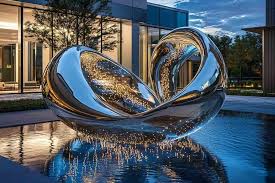
- Sculptural works
- Interactive public art
- Environmental installations
- Architectural art integrations
- Multimedia experiences
- Light-based installations
- Community-centered creative projects
Because each project is tailored to a unique setting, no two installations are exactly alike. This exclusivity contributes to their ability to attract attention and create lasting impressions.
How Art Enhances Human Connection to Place
People naturally form emotional connections with places that evoke curiosity, inspiration, or reflection. Art has long played a role in creating those connections, but site-specific works take the relationship a step further by embedding meaning directly into the environment.
A thoughtfully designed installation can tell a story about a neighborhood’s history, highlight cultural traditions, or celebrate local achievements. Visitors become participants in the narrative rather than passive observers.
When people feel emotionally connected to a place, they are more likely to:
- Spend additional time exploring
- Share experiences with others
- Return for future visits
- Develop stronger community ties
- Create positive associations with organizations connected to the space
These outcomes are especially valuable for businesses and institutions looking to foster loyalty and engagement.
The Business Value of Site Specific Art Installations
Organizations increasingly use site specific art installations as part of broader placemaking and branding strategies. Art serves as more than a visual enhancement; it becomes a tool for communication, differentiation, and audience engagement.
In competitive markets, memorable experiences can significantly influence how people perceive a brand or location. A unique installation creates a recognizable landmark that helps distinguish a property from competitors.
Benefits for businesses and organizations include:
Stronger Brand Identity
Custom installations communicate values, culture, and mission in a visually compelling way. The artwork becomes an extension of the organization’s identity.
Increased Visitor Engagement
Interactive and immersive installations encourage exploration, photography, and social sharing, generating additional exposure.
Enhanced Property Value
Art-enhanced spaces often become more desirable destinations for visitors, tenants, and stakeholders.
Community Connection
Projects that reflect local culture and history can strengthen relationships between organizations and surrounding communities.
Long-Term Marketing Impact
Unlike temporary advertising campaigns, permanent or semi-permanent installations continue generating visibility and engagement for years.
These advantages explain why art has become an increasingly important component of modern development projects and public spaces.
The Creative Process Behind Successful Installations
Creating impactful location-based artwork requires careful planning, collaboration, and research. Every project begins with understanding the physical and cultural characteristics of the site.
1. Site Analysis
Artists evaluate dimensions, architectural features, lighting conditions, pedestrian flow, and environmental factors. Understanding how people move through a space helps shape the final design.
2. Research and Story Development
Many projects draw inspiration from local history, community narratives, or organizational values. Research ensures the installation feels authentic and meaningful.
3. Concept Design
Initial sketches, digital renderings, and models allow stakeholders to visualize how the artwork will integrate with the environment.
4. Material Selection
Materials must support both artistic goals and practical requirements. Durability, maintenance needs, and environmental exposure are important considerations.
5. Fabrication and Installation
Once approved, the artwork is produced and carefully installed to ensure safety, functionality, and visual impact.
6. Community Engagement
In many projects, community involvement strengthens the connection between the artwork and its audience. Public participation can create a greater sense of ownership and appreciation.
This structured approach helps ensure the final installation delivers lasting value while maintaining artistic integrity.
The Role of Public Art in Community Development
Public art continues to play a significant role in revitalizing neighborhoods and strengthening community identity. Site-specific installations often serve as gathering points that encourage social interaction and civic pride.
Cities around the world have demonstrated how strategic investments in public art can contribute to economic development. Creative placemaking initiatives frequently attract tourism, support local businesses, and enhance quality of life.
Public installations can:
- Revitalize underused spaces
- Encourage pedestrian activity
- Support local artists
- Promote cultural awareness
- Foster inclusive community engagement
When thoughtfully designed, public art becomes a catalyst for positive social and economic outcomes.
Technology and the Evolution of Immersive Experiences
Advances in technology are expanding what is possible within the world of site specific art installations. Artists now have access to tools that allow them to create dynamic, interactive experiences that engage multiple senses.
Emerging innovations include:
Interactive Lighting Systems
Responsive lighting can change based on movement, weather conditions, or audience participation.
Digital Projection Mapping
Projection technology transforms architectural surfaces into immersive visual experiences.
Augmented Reality Integration
Visitors can interact with artwork through smartphones and digital platforms, adding additional layers of storytelling.
Sensor-Based Experiences
Motion sensors, sound technology, and environmental data can influence how installations behave in real time.
Sustainable Technologies
Renewable energy solutions and eco-friendly materials support environmentally responsible artistic practices.
These developments are helping artists create installations that remain engaging, adaptable, and relevant in rapidly changing environments.
Factors That Contribute to Long-Term Success
Not every installation achieves lasting impact. Successful projects typically share several important characteristics.
Authenticity
Artwork should reflect genuine connections to the site and community.
Relevance
Installations must resonate with intended audiences while remaining meaningful over time.
Accessibility
Visitors should be able to engage with the work regardless of background or experience level.
Durability
Materials and construction methods should support long-term performance.
Storytelling
Compelling narratives create emotional engagement and memorable experiences.
When these elements align, installations can become cherished landmarks that contribute value for decades.
Looking Ahead: The Future of Site Specific Art Installations
As cities, businesses, and cultural organizations continue prioritizing experience-driven design, the demand for site specific art installations is expected to grow. Modern audiences increasingly value authenticity, creativity, and meaningful engagement, making customized artistic experiences more relevant than ever.
Future projects will likely blend physical and digital elements, creating environments that respond to visitor behavior while maintaining strong connections to place. Sustainability will also remain a major focus, encouraging artists and organizations to adopt environmentally responsible materials and practices.
The continued evolution of technology, community engagement, and creative collaboration will open new opportunities for artists to transform spaces in innovative ways. These developments will further strengthen the role of art as a powerful tool for communication, identity, and connection.
Conclusion
Site specific art installations represent far more than decorative additions to a space. They create opportunities for storytelling, strengthen community identity, enhance visitor experiences, and contribute meaningful value to businesses and organizations. By responding directly to the characteristics of a location, these installations establish lasting connections between people and place.
As demand for memorable, experience-driven environments continues to rise, site-specific artwork will remain an essential element of modern design and placemaking. Organizations and creative professionals, including Embrace Creatives, continue to demonstrate how thoughtfully crafted installations can transform ordinary settings into extraordinary destinations that inspire curiosity, foster engagement, and leave lasting impressions on every visitor.