
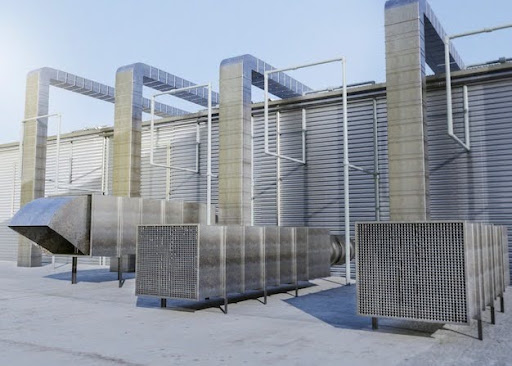
Cooling systems are among the largest energy users in a commercial property, and the equipment on the roof plays a big part in that cost. A well-managed cooling tower for commercial building use removes heat efficiently, while a neglected one wastes electricity and water every day. The good news is that many improvements are practical and affordable. This guide explains the main strategies that help reduce energy use without hurting comfort or reliability.
1. Keep the Tower Clean and Well Maintained
A cooling tower for commercial building cooling loads works best when fill, basins, nozzles, and strainers are free of scale, algae, and debris. Dirty surfaces restrict airflow and water distribution, forcing fans and pumps to work harder.
Schedule regular inspections, and check belts, bearings, and drift eliminators. Maintenance records help you spot recurring faults early.
2. Use Variable Speed Fan and Pump Control
Running equipment at full speed all day wastes power. Variable speed drives let a cooling tower for commercial building plants match fan and pump output to the actual load.
Fans use much less power when they slow down, and stable water flow protects equipment. Have a qualified engineer confirm safe operating limits before changing speeds.
3. Manage Water Treatment Carefully
Clean heat exchange surfaces transfer heat better. A properly treated cooling tower for commercial building owners reduces scale, corrosion, and biological growth that harm efficiency.
Monitor water conductivity and adjust cycles of concentration with care. Follow local rules for treatment and disposal, and use trained professionals for chemical handling.
4. Optimize Setpoints and Operating Schedules
Small adjustments can add up. Review whether a cooling tower for commercial building operations needs to run at the same level at night, on weekends, or during mild weather.
Raising condenser water setpoints when conditions allow can reduce fan energy, but changes must suit connected chillers. Test adjustments gradually and track the results.
5. Add Monitoring and Smart Controls
Sensors and building automation reveal problems before they become expensive. With monitoring, a cooling tower for commercial building teams can track temperatures, power use, vibration, and water flow in real time.
Set alerts for abnormal readings and review trends monthly. Good data also helps you prove savings.
6. Plan Upgrades With Realistic Expectations
Older components can limit performance. When replacing parts, a cooling tower for commercial building managers may consider efficient motors, improved fill, better fan blades, or modern controls.
Ask for written estimates showing cost, expected savings, and payback assumptions. Savings depend on climate, load, and operating hours.
Final Thoughts
A cooling tower for commercial building use can deliver steady comfort at a lower cost when it is managed with care. Throughout this guide, we have looked at the strategies that matter most: regular cleaning and maintenance, efficient fan and pump control, proper water treatment, smart controls and monitoring, careful operating setpoints, and long-term upgrades. Each strategy supports the others, so the best savings come from a complete plan rather than one quick fix.